Asset Finance

Get the equipment, vehicles, and machinery you need to grow your business with flexible financing options. Discover how asset finance can help you unlock the value of your assets today.

Unlocking the Value of Your Business Assets

Asset finance is becoming an increasingly popular choice for UK businesses looking to acquire big-ticket items like company cars, plants, machinery, and other assets. With asset finance, a business can use its existing assets as collateral to borrow money or take out a loan, making it easier to access the equipment and vehicles they need to grow its business.


Instead of paying a large sum upfront, businesses can spread the cost of the assets over time with smaller, regular payments, which can help to alleviate pressure on cash flow. Additionally, businesses can use their existing high-value assets as collateral for loans, providing a way to access additional capital to fund growth and expansion. Overall, asset finance offers a flexible and cost-effective way for businesses to acquire the assets they need to succeed.

Working With HC Finance Group Is Simple

Apply Online

Use the buttons around the website to start our quick and easy online application process.

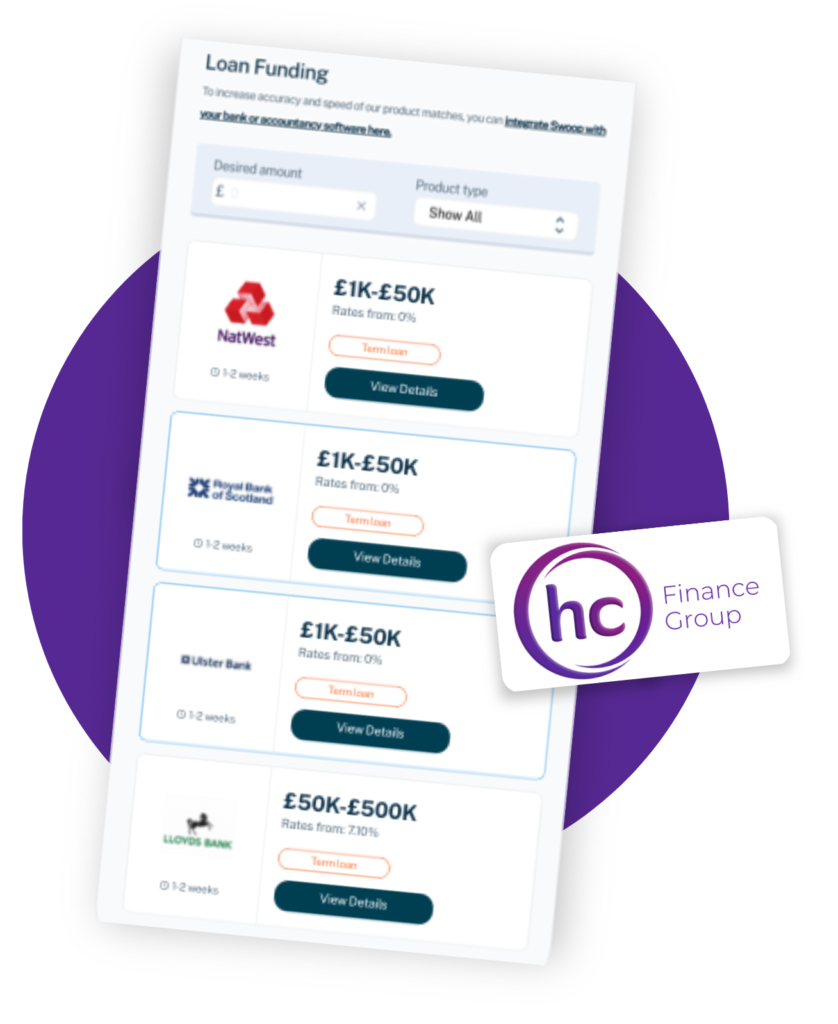
Get Funding Matches

We will pair you with the best funding opportunities that fits your needs.

Get Your Money

Our streamlined process gets you funded fast.
Get started on your journey to success

Start Your Asset Finance Application Now

What Is Asset Finance?

Asset finance is a type of financing that allows businesses to purchase assets without paying for them upfront. Instead, the business can spread the asset’s cost over a set period, making it easier to manage cash flow. Asset finance is a flexible financing option that can be used to acquire a wide range of assets, including equipment, machinery, vehicles, and even intangible assets like intellectual property.

What Is An Asset?

An asset is anything that a business owns that has value. This could include physical assets like equipment, machinery, and vehicles and intangible assets like intellectual property. In the context of asset finance, the asset being financed serves as collateral for the loan, which helps to reduce the lender’s risk.

What Types of Asset Finance are There?

Several types of asset finance are available, each with its advantages and disadvantages. Here are some of the most common types of asset finance:

  • Hire purchase: With hire purchase, the business pays a deposit and then makes regular payments to a lender over a set period of time. Once all payments have been made, the business owns the asset outright.
  • Finance lease (sometimes called a capital lease): With a finance lease, the lender purchases the asset and then leases it to the business for a set period of time. At the end of the lease, the business can either return the asset, purchase it outright, or extend the lease.
  • Equipment leasing: Equipment leasing is similar to a finance lease but is typically used for shorter-term leasing agreements.
  • Operating leasing: Operating leasing is another form of leasing where the lender retains ownership of the asset, and the business makes regular payments to use it.
  • Asset refinances: With asset refinance, the business uses an asset it already owns as collateral to secure financing.
  • Contract hire (or vehicle asset finance): With contract hire, the business leases a vehicle for a set period of time, usually 2-4 years.

How Does Asset Finance Work In The UK?

In the UK, businesses can work with lenders to secure asset finance for the purchase of equipment, machinery, vehicles, and other assets. The lender will typically advance a percentage of the asset’s value, which the business can repay over a set period. The interest rate and repayment terms will vary depending on the type of asset finance being used.

Advantages

Some potential advantages of asset finance include:


  • Improved cash flow: Asset finance allows businesses to spread the cost of purchasing an asset over a set period of time, making it easier to manage cash flow.
  • No upfront costs: With asset finance, businesses do not need to pay for assets upfront, which can help them preserve capital for other investments.
  • Tax benefits: Depending on the type of asset finance, businesses may be able to claim tax benefits on their repayments.
  • Access to the latest equipment: Asset finance can allow businesses to access the latest equipment and technology, without having to pay for it all upfront.

Disadvantages

Some potential disadvantages of asset finance include:


  • Higher overall cost: Although asset finance can make it easier to manage cash flow, it can be more expensive in the long run due to interest charges and fees.
  • Risk of repossession: If a business is unable to keep up with repayments on an asset finance agreement, the lender may repossess the asset.

Find Out More about Asset Finance

Yes, if a business is unable to keep up with repayments on an asset finance agreement, the lender may repossess the asset. This can be a significant risk for businesses, particularly if the asset being financed is critical to the business’s operations.

Short-term asset finance is a type of asset finance that is designed to provide financing for assets that will have a short lifespan. This could include assets like equipment, machinery, and vehicles that will need to be replaced in a few years. Short-term asset finance typically has shorter repayment terms than long-term asset finance and may have higher interest rates.

Asset-based refinancing and factoring are two different financing options that businesses can use to access cash flow. Asset-based refinancing involves using an asset that the business already owns as collateral to secure a loan. Factoring involves selling outstanding invoices to a lender at a discount in exchange for cash.

One potential risk of asset finance is financing long-term assets with short-term liabilities. For example, if a business uses a short-term loan to purchase a piece of machinery that will last for ten years, it may need to refinance the asset before the loan is fully paid off. This can lead to cash flow problems and may result in the need to take on additional debt.

The interest rates and fees associated with asset finance will vary depending on the lender, the type of asset being financed, and the creditworthiness of the borrower. It’s important to shop around and compare rates from multiple lenders to find the best financing option for your business.

It may be more difficult to secure asset finance with bad credit, but some lenders specialise in working with businesses with lower credit scores. These lenders may offer higher interest rates or require additional collateral to secure the loan.

Yes, small businesses and startups can often qualify for asset finance as long as they can demonstrate their ability to repay the loan. Some lenders may require additional collateral or charge higher interest rates for businesses with less established credit histories.

HC Finance Group works with lenders who offer loans from as little as £10,000 all the way up to £10,000,000. The amount that businesses can borrow with asset finance will depend on the value of the asset being financed, as well as the creditworthiness of the borrower. 

Yes, the Financial Conduct Authority (FCA) regulates asset finance in the UK. This means that lenders who provide asset finance must meet certain regulatory requirements and follow specific guidelines to ensure that borrowers are treated fairly.

Eligibility for asset finance will depend on various factors, including the type of asset being financed, the creditworthiness of the borrower, and the lender’s specific requirements. It’s important to speak with a lender directly to determine whether your business is eligible for asset finance.