Management Buyout Finance

Take Control of Your Business with Expert Guidance and Flexible Financing Solutions.

The Power of Management Buyouts: Unlocking the Potential of Your Business

An MBO, or management buyout, is a versatile corporate restructuring strategy that can benefit various industries. It offers a range of opportunities, such as allowing employees to become entrepreneurs, enabling owners to monetise their share of a business, separating a department from its parent company, or transitioning a publicly-traded company to private ownership.


 The success of Dell Technologies’ management buyout in 2013 led to the company being taken out of public hands. Peacocks, a UK fashion retailer, also employed an MBO to rise out of administration, and KPMG division members spun themselves away from their parent company through an MBO. As a finance tool, an MBO offers immense flexibility and can cater to any change of ownership need for a diverse range of companies. It truly is the Swiss army knife of finance tools.

Working With HC Finance Group Is Simple

Apply Online

Use the buttons around the website to start our quick and easy online application process.

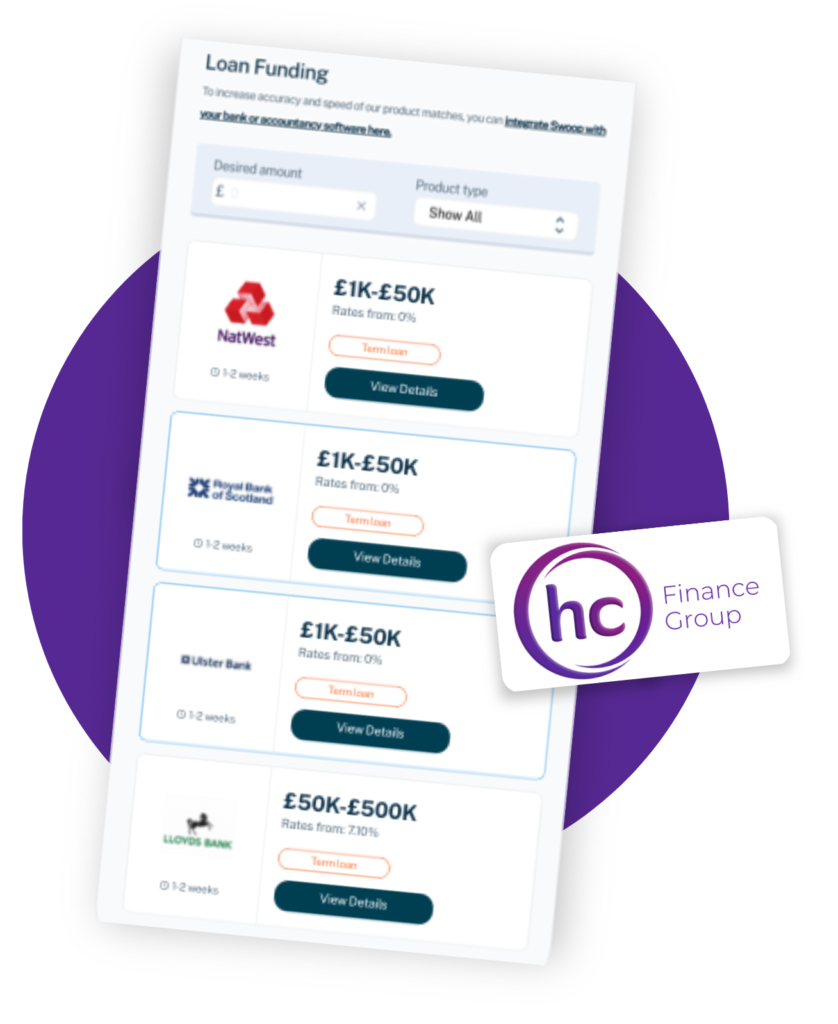
Get Funding Matches

We will pair you with the best funding opportunities that fits your needs.

Get Your Money

Our streamlined process gets you funded fast.
Get started on your journey to success

Start Your Management Buyout Finance Application Now

What Is A Management Buyout?

A management buyout (MBO) is a type of corporate restructuring where the existing management team of a company acquires a controlling interest in the business. This is typically done with the help of outside financings, such as private equity or debt.


In an MBO, the management team is able to purchase the company from its current owners, who may be retiring or looking to exit the business. The management team takes on the responsibility of running the company, aiming to grow and improve it over time.

How Does A Management Buyout (MBO) Work?

In an MBO, the existing management team of a company works with a financing partner to acquire a controlling interest in the business. This typically involves obtaining a combination of debt and equity financing, which is used to purchase the company from its current owners.


Once the MBO is complete, the management team takes over the company’s day-to-day operations and works to grow and improve the business over time. The financing partner may provide ongoing support and guidance to help the management team achieve their goals.

Get Started Today

The application process can be lengthy and complex and may require providing detailed financial and operational information about the company. It’s important to work with experienced professionals, like HC Finance Group, to ensure that the application is strong and the terms of the financing are favourable for the company and its management team.

How Do I Finance An MBO?

When it comes to financing an MBO, there are several options available to management teams. Private loans are one possibility, and may be secured from family members, friends, or other private investors. Business loans from banks or other financial institutions are also an option. Asset finance can be used, whereby company assets like property or equipment are used as collateral for financing. Private equity firms are another potential source of financing, as they often provide both debt and equity financing. Additionally, mezzanine finance – a type of debt financing that sits between senior debt and equity in the capital structure – is an option. In some cases, the current business owners may be willing to provide financing to the management team as part of the MBO.

What Are The Alternatives to An MBO?

If an MBO is not the right choice for a business, there are several alternatives to consider. Acquisition by a competitor is one possibility, whereby another company acquires the business either in part or in full. Management buy-ins are another option, whereby an outside management team acquires the business. Finally, the company may choose to go public and raise capital through an initial public offering (IPO). It’s important for business owners to carefully consider all options before deciding on the best course of action for their company.

Advantages

Some potential advantages of an MBO include:


  • Retention of existing management: By allowing the existing management team to take over the business, an MBO can help ensure continuity and stability in the company's operations.
  • Greater control: With a controlling interest in the business, the management team can make decisions and drive the company’s direction.
  • Improved motivation: The prospect of owning a stake in the business can motivate management to work harder and more creatively to grow the business.
  • Potentially lower costs: In some cases, an MBO may be less expensive than other acquisition forms, such as a leveraged buyout (LBO).

Disadvantages

Some potential disadvantages of an MBO include:


  • High debt levels: MBOs typically involve significant debt financing, which can strain the company's finances and limit its ability to invest in growth opportunities.
  • Limited access to capital: With a high debt load, the company may have difficulty obtaining additional financing in the future.
  • Limited outside perspective: With the existing management team in control, there may be a lack of fresh ideas and perspectives on how to grow the business.
  • Potential conflict of interest: The management team may prioritise their own interests over those of the company as a whole.

Find Out More About MBO Finance

A leveraged buyout (LBO) is a type of acquisition where a company is purchased using a combination of debt and equity financing. The primary difference between an LBO and an MBO is the source of the funds.


In an LBO, the financing typically comes from outside investors, such as private equity firms or investment banks. In an MBO, the financing typically comes from the existing management team, who may work with outside investors to secure the necessary funds.

A management buy-in (MBI) is a type of acquisition where an outside management team acquires a controlling interest in a company. This is different from an MBO, where the existing management team acquires the company.


A buy-in management buyout (BIMBO) is a combination of an MBO and an MBI, where both the existing management team and an outside management team acquire a controlling interest in the company.

There may be several tax implications associated with an MBO, depending on the structure of the deal and the specific circumstances of the company and its owners. Working with tax and legal professionals is important to understand the potential tax implications and plan accordingly.


Some potential tax implications of an MBO include:

  • Capital gains tax: The company’s current owners may be subject to capital gains tax on the sale of their shares.
  • Stamp duty: If the shares of the company are being transferred as part of the MBO, stamp duty may be payable on the transaction.
  • VAT: If the company is registered for VAT, there may be implications for the recovery of VAT on professional fees and other expenses associated with the MBO.

To apply for management buyout finance, you will need to identify potential lenders or investors and submit a detailed business plan and financial projections. This typically involves working with financial advisors and lawyers to structure the deal and negotiate terms with potential partners.


The application process can be lengthy and complex and may require providing detailed financial and operational information about the company. It’s important to work with experienced professionals, like HC Finance Group, to ensure that the application is strong and the terms of the financing are favourable for the company and its management team.