Bridging Finance

Get fast access to capital with our bridging finance options for businesses and individuals. Secure your loan against a property or land asset today.

Quick and Flexible Funding Solutions

A bridging loan is a short-term finance option that can be used by individuals or businesses to purchase or raise capital, often secured against a residential or commercial property or a land asset. The main difference between a bridging loan and a traditional commercial mortgage is that a bridging loan can be executed and drawn down much faster, typically within weeks or even days. This makes it a popular choice for those looking to complete a property transaction quickly or raise capital in a short amount of time.


Bridging loans are usually taken out for a few months up to a year. They can be used for various purposes, including buying a new property before the sale of an existing property has been completed, financing a property development project or purchasing a property at auction. In some cases, bridging loans may be secured against a property that a traditional mortgage may not be suitable for, such as a property that is not in a habitable condition.


Need a bridging loan but unsure if you are eligible? Get started with HC Finance Group today.

Working With HC Finance Group Is Simple

Apply Online

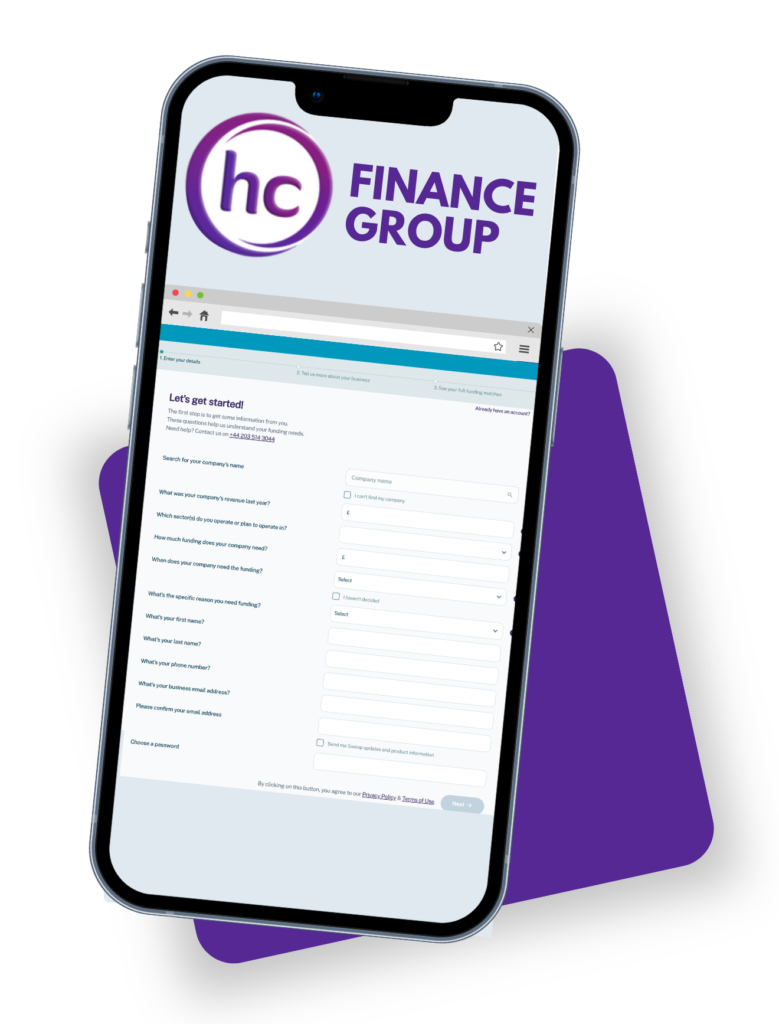
Use the buttons around the website to start our quick and easy online application process.

Get Funding Matches

We will pair you with the best funding opportunities that fits your needs.

Get Your Money

Our streamlined process gets you funded fast.
Get started on your journey to success

Start Your Bridging Finance Application Now

How Does Bridging Finance Work?

Bridging finance is a short-term loan that is typically used to bridge the gap between a debt coming due and the main line of credit becoming available. It can also be used in situations where you need to complete a property purchase quickly or when you need funding for a refurbishment or renovation project. Bridging loans are secured against assets such as property or land, and the amount you can borrow is usually based on the value of the asset used as security. Bridging loans are usually provided quickly, often within a matter of days, and are typically repaid within 12 months.

How Much Does Bridging Finance Cost?

The cost of bridging finance can vary depending on the lender and the loan terms. Interest rates are typically higher than those for traditional loans, and fees and charges may also be involved. These can include arrangement, valuation, legal, and exit fees. It’s important to shop around and compare offers from different lenders to ensure that you’re getting a competitive deal.

Get Started Today

HC Finance Group has a dedicated team of Commercial Finance experts with over 100 years of experience between them – get in touch to see how they can help.

Is My Business Eligible for Bridging Finance?

Bridging finance is available to a wide range of businesses, including sole traders, partnerships, and limited companies. The main requirement is that you have an asset that can be used as security, such as property or land. Lenders will also consider your credit history and your ability to repay the loan when assessing your eligibility.

When Should I Use a Bridging Loan?

Bridging loans can be useful in various situations, including property purchases, property development, and cash flow issues. They can be used when a property purchase is progressing more quickly than a traditional mortgage application can be processed, when you need to purchase a property at auction, or when you need to complete a property refurbishment project. Bridging finance can also be useful for businesses experiencing cash flow difficulties, or when you must pay a tax bill or other large expenses.

Find Out More About Bridging Finance

The cost of bridging finance can vary depending on the lender and the loan terms. Interest rates are typically higher than those for traditional loans, and fees and charges may also be involved. These can include arrangement, valuation, legal, and exit fees. It’s important to shop around and compare offers from different lenders to ensure that you’re getting a competitive deal

While it’s possible to apply for bridging finance directly with a lender, working with a broker can help you to find the best deal for your needs. A broker can help you navigate the complex world of bridging finance and ensure you’re getting a competitive deal. They can also provide expert advice on the different types of bridging finance available and help you to find a lender that meets your needs.

While some banks do offer bridging finance, it’s more common to obtain bridging loans from specialist lenders or brokers. Specialist lenders may offer more flexible terms and faster application processing times than traditional banks.

Bridging loans are typically short-term loans and are usually repaid within 12 months. However, some lenders may offer longer loan terms, depending on your needs and circumstances.

While having bad credit can make it more difficult to obtain bridging finance, it’s still possible to get a loan. Some specialist lenders may be willing to consider your application, although you may need to pay higher interest rates and fees. Working with a broker can help you find a lender willing to consider your application despite your credit history.