Supply Chain Finance

Keep Your Business Moving with Efficient Supply Chain Financing Solutions.

Your Supply Chain with Supply Chain Finance

Supply chain finance is a financing solution that helps businesses manage their cash flow by optimising their supply chain processes. This type of financing enables businesses to extend their payment terms to suppliers while at the same time providing suppliers with access to affordable financing. By improving the efficiency of the supply chain, businesses can reduce costs, improve working capital, and increase their competitive advantage.


Getting started with supply chain finance is relatively straightforward. Businesses will typically need to work with a third-party provider to implement a supply chain finance program. This provider will work with the business to assess their needs and determine which financing options are most suitable for their specific situation. Once the program is in place, businesses can begin to optimise their supply chain processes and improve their cash flow. To find out your options and get started, click the button below.

Working With HC Finance Group Is Simple

Apply Online

Use the buttons around the website to start our quick and easy online application process.

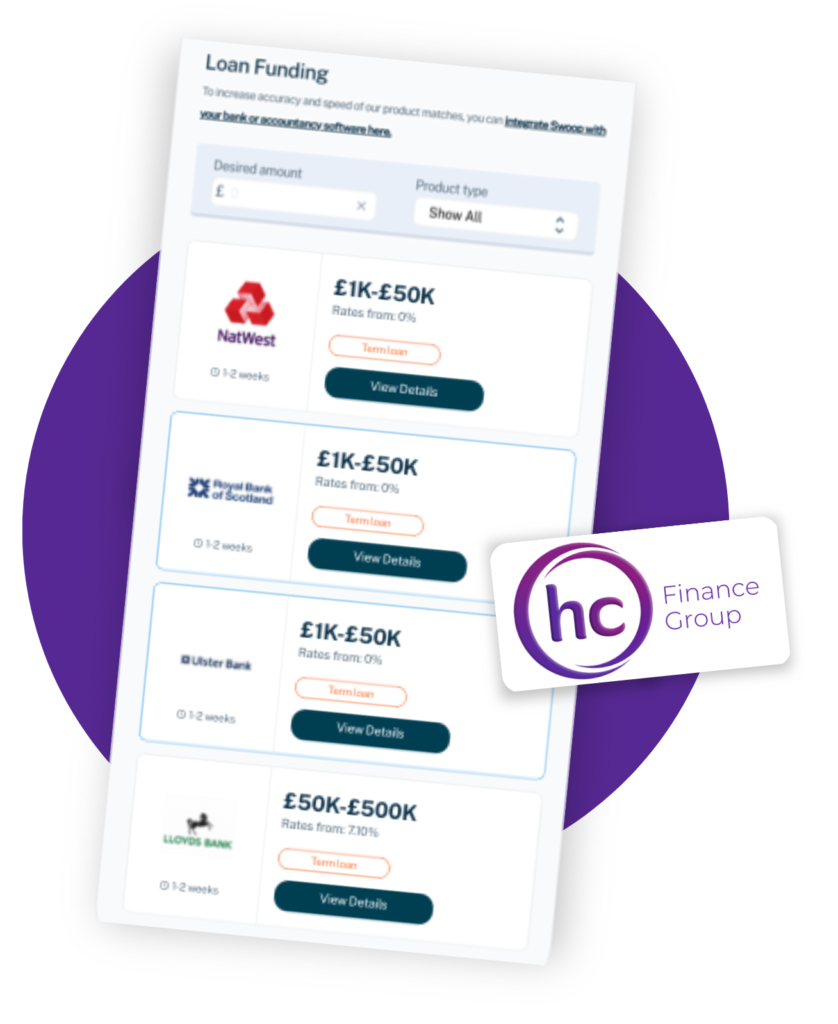
Get Funding Matches

We will pair you with the best funding opportunities that fits your needs.

Get Your Money

Our streamlined process gets you funded fast.
Get started on your journey to success

Start Your Supply Chain Finance Application Now

What Is Supply Chain Finance?

Supply chain finance (SCF) is a financial service that enables businesses to optimise their cash flow by managing the payment terms of their suppliers and buyers. It is a way for businesses to access affordable capital by leveraging their supply chain relationships. SCF allows suppliers to get paid earlier, while buyers can extend their payment terms, improving their working capital management.

How Does Supply Chain Finance Work?

Supply chain finance works by creating a financing mechanism that allows suppliers to receive early payment on their outstanding invoices. At the same time, buyers can extend their payment terms to improve their cash flow. The financing mechanism is facilitated by a third-party financial institution, such as a bank or a fintech company, that provides the financing to the suppliers in exchange for a discount on the invoice amount. The buyer then pays the financial institution at the end of the extended payment term.

Get Started Today

If you would like to discuss supply chain finance or are unsure about the best type of finance for your business situation, register with HC Finance Group to speak to a financial expert about your options.

Advantages

Supply chain finance has several benefits for both suppliers and buyers. For suppliers, it provides access to affordable financing that would not have been available otherwise, improving their cash flow and reducing their reliance on expensive short-term financing options. For buyers, it enables them to extend their payment terms without damaging their relationships with suppliers or increasing their borrowing costs.

Disadvantages

While supply chain finance can provide significant benefits, it is not without its drawbacks. One of the main disadvantages is the potential for suppliers to become reliant on early payment, which can lead to reduced motivation to improve their own cash management practices. Additionally, suppliers may be required to provide discounts on their invoices, reducing their profit margins. There is also the risk that buyers may abuse their power by taking advantage of suppliers who are in need of financing.

Find Out More About Supply Chain Finance

Blockchain technology is increasingly being used in supply chain finance to improve transparency, security and efficiency. By using blockchain, all parties involved in the supply chain finance process can access a single, shared ledger that records all transactions in real time. This provides greater transparency and reduces the risk of fraud or errors. Additionally, blockchain can be used to create smart contracts that can automate many of the processes involved in supply chain finance, such as payment validation and invoice verification.

Trade finance and supply chain finance are often used interchangeably, but there are some key differences. Trade finance typically involves providing financing for international trade transactions, such as import/export deals. On the other hand, supply chain finance focuses on domestic transactions and is designed to improve cash flow for suppliers and buyers within a supply chain.

While supply chain finance and factoring both involve the sale of outstanding invoices to a third-party financial institution, there are some key differences. Factoring typically involves the sale of individual invoices, while supply chain finance is focused on financing the entire supply chain. Additionally, factoring can be used by companies struggling with cash flow, while supply chain finance is often used by companies looking to optimise their working capital.

Dynamic discounting is a financing mechanism that allows buyers to offer their suppliers early payment in exchange for a discount on the invoice amount. While dynamic discounting shares some similarities with supply chain finance, there are some key differences. Dynamic discounting is typically initiated by the buyer, while the supplier initiates supply chain finance. Additionally, dynamic discounting is focused on individual transactions, while supply chain finance is focused on financing the entire supply chain.

Sustainable supply chain finance (SSCF) is a financing solution that aims to incentivise and reward suppliers for implementing sustainable practices in their operations. It provides working capital to suppliers based on their sustainable practices, allowing them to make investments that reduce their environmental footprint and improve their social impact. SSCF is an effective tool for companies to support their suppliers in becoming more sustainable while also improving their own sustainability performance.

Unsecured supply chain finance is a financing solution that provides working capital to suppliers without requiring them to provide collateral. It is a type of unsecured loan based on the supplier’s creditworthiness rather than the value of their assets.


Unlike secured financing, unsecured supply chain finance does not require suppliers to put up assets such as inventory, property, or equipment as collateral. Instead, the lender relies on the supplier’s creditworthiness to assess the risk of default. This can make unsecured supply chain finance a more accessible financing option for small and medium-sized suppliers, who may not have sufficient assets to secure traditional financing.